
Plant care guide
Houseplant care in Colorado's dry climate
Care advice written for humid climates will slowly kill a plant on the Front Range. What is different here, and what to do about it.
By Kyle Lutze, Certified Colorado Gardener · 21 September 2026 · 6 minute read
Dry air is the number one culprit
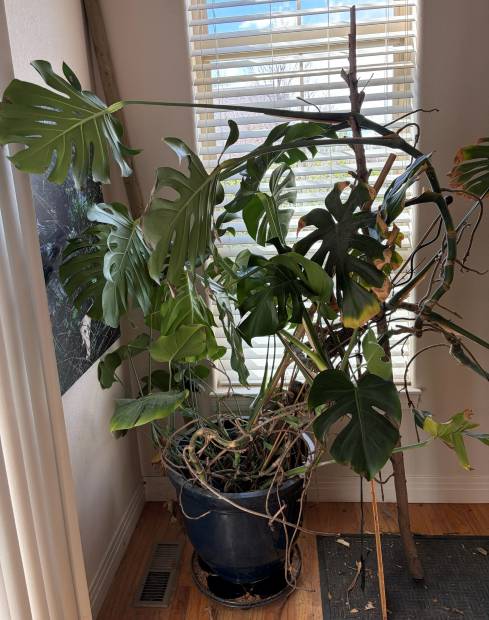
Indoor humidity in Denver regularly sits far below what tropical houseplants evolved for, and it gets worse the moment the furnace starts. The classic symptom is crisp brown leaf edges and tips, which people almost always misread as underwatering and then make worse by watering more.
Grouping plants together raises the humidity in their immediate area. Pebble trays help a little. Moving a sensitive plant out of the direct path of a heating vent helps a lot more than either. Misting mostly makes people feel better and does little for the plant.
Our water is hard, and it changes your soil
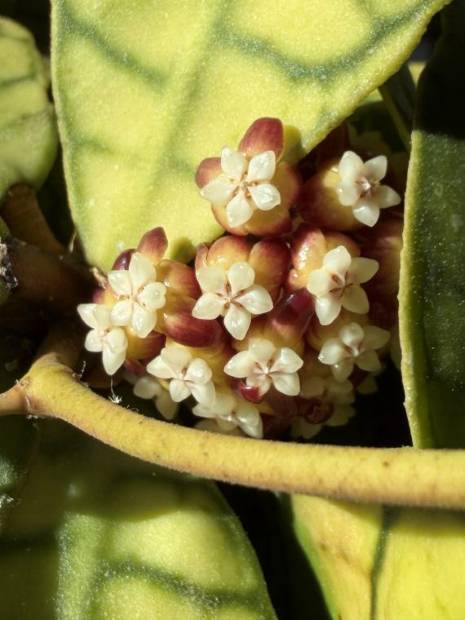
Denver-area tap water is alkaline and mineral-rich. Over months, it pushes the pH of your potting soil up, and above a certain point the plant cannot take up iron even though the iron is right there. That shows up as pale new growth with green veins still visible.
Repotting into fresh mix every one to two years resets it. Flushing pots thoroughly when you water, rather than dribbling small amounts, keeps mineral salts from building up on the soil surface and around the rim.
The two problems are separate and need separate checks. A pH meter tells you whether nutrients have become unavailable. A dissolved salts meter tells you how much mineral has accumulated in the pot. We take both readings on every maintenance visit, because the symptoms overlap with ordinary watering mistakes and guessing between them wastes months.
Sunlight is stronger a mile up
At altitude there is less atmosphere filtering the light. A south-facing window here is more intense than the same window at sea level, so plants labeled for "bright light" can still scorch, especially in summer, and especially right after coming home from a shaded greenhouse.
Give any new plant a week or two a little further back from the glass before moving it into its final spot. Sudden light changes cause more leaf drop than almost anything else.
Stop watering on a schedule
The same plant drinks two or three times as much in July as it does in January. A weekly schedule cannot tell the difference, so it overwaters all winter, and root rot looks exactly like drought from above: droopy, yellowing, sad.
Buy a cheap moisture meter. Learn the number each plant likes and water to that number rather than to a day of the week. It is the single change that turns most self-described black thumbs into people with healthy plants.
Watch the calendar in September and October
An early cold snap will shock outdoor tropicals and tender plants overnight, and the first night the furnace runs is the night every watering interval in the house changes. Bring plants in before the first cold night, not after, and expect some leaf drop while they readjust to indoor light.
A season-by-season cheat sheet
| Season | What changes | What to do |
|---|---|---|
| October to February | Furnace on, humidity drops, short days | Water less, often half as much. Move plants off vents. Expect slow growth. |
| March to May | Light returns, growth restarts | Repot anything root-bound. Start feeding again. Flush pots. |
| June to August | Strong sun, long days, dry heat | Pull plants back from south and west glass. Water more, still by meter. |
| September | First cold nights, furnace about to start | Bring outdoor tropicals in early. Check for pests before they come inside. |
Related: Why are my houseplants dying?, fungus gnats in Denver houseplants and how the readings on each visit work.
Or let us handle it
Consultations by phone or video are free, and we will answer a question even if you never book anything.