
We work by area
Each weekday covers a different part of the metro, so we are not crossing Denver twice in an afternoon. When you book we will tell you which day your address falls on. It keeps visits punctual.
How we work
Plant care usually goes wrong the same three ways: a different person every visit, watering on a schedule nobody adjusts, and no record of what was done. We set the service up to avoid all three.
01 · The same face
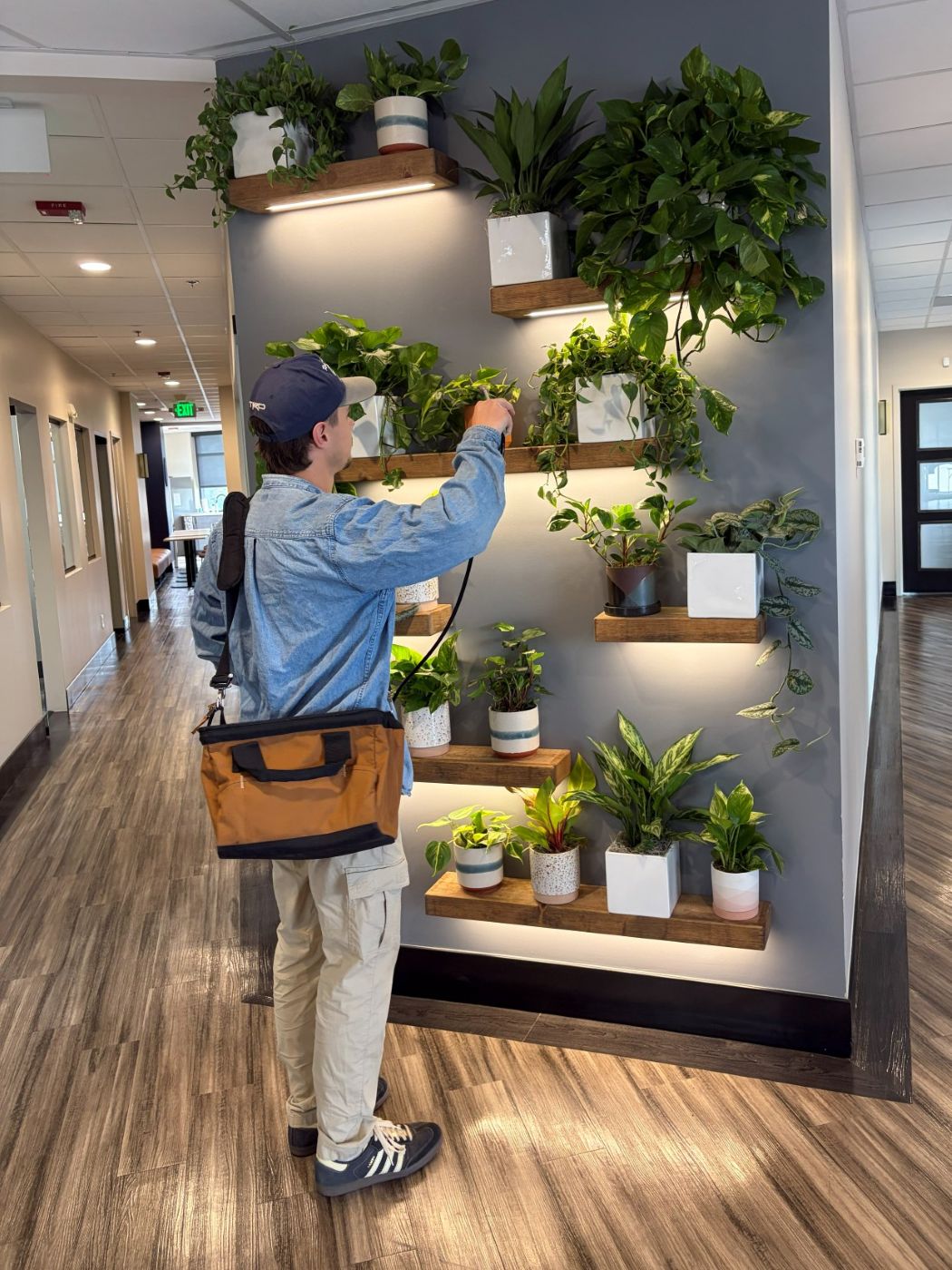
There are two of us. Every account is assigned one technician, and that is who you see every visit. No dispatcher, no subcontractors, nobody new turning up unannounced.
It means your plants get remembered. By the third visit we know the radiator dries out the corner in November, the ficus drops leaves every time it moves, and the pothos on the shelf came from your grandmother.
02 · The first visit
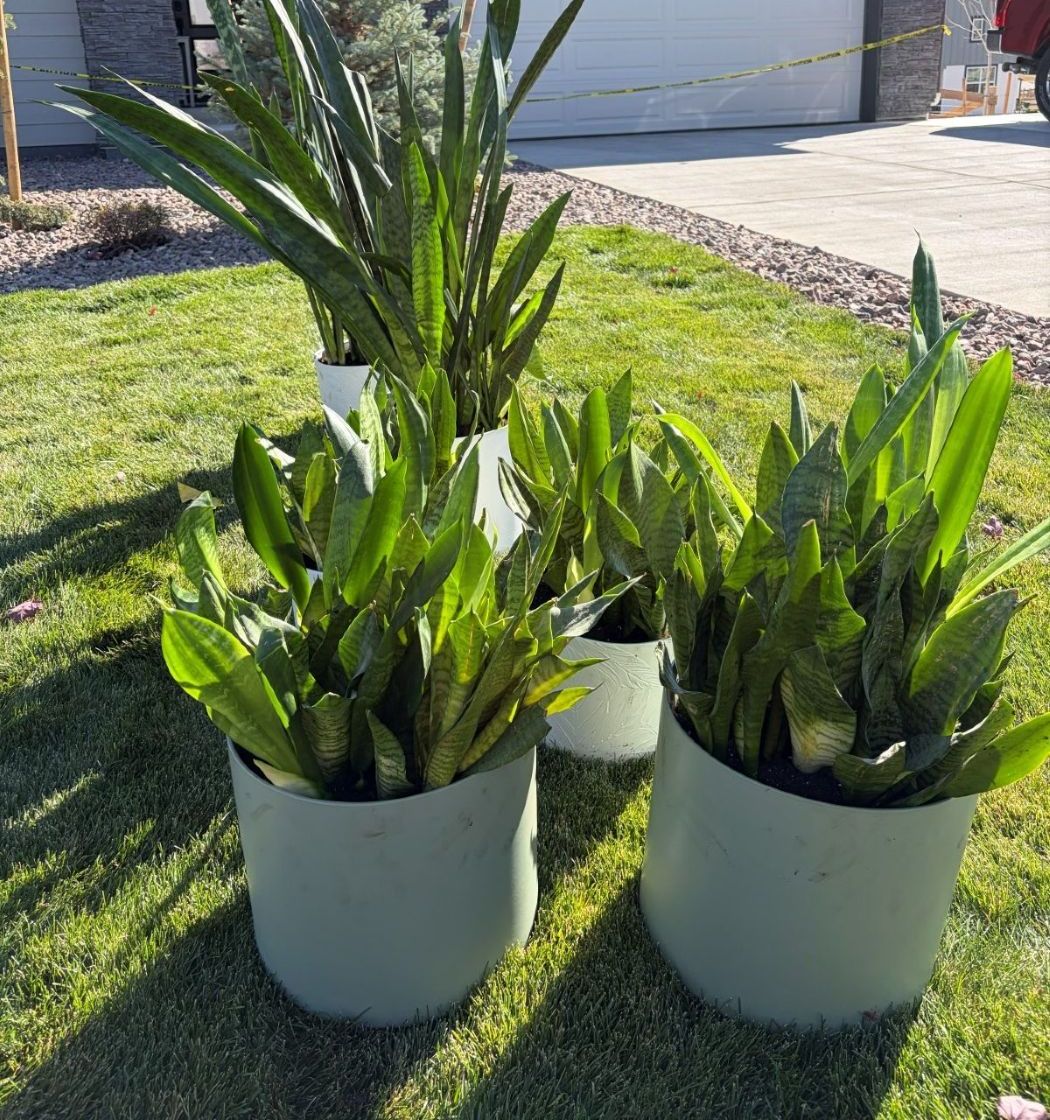
Nearly every struggling plant we get called about is in the wrong light. So the first visit is about your space, not a catalog.
03 · The method
Watering weekly is what kills most houseplants here, because a plant drinks two or three times more in July than in January. We bring proper meters to every visit and take three readings from each plant.
Every plant gets its own target number. Your fiddle leaf might be a 3, the ZZ a 1. You check the reading instead of counting days, which is why it survives a holiday.
Denver tap water is hard, and over months it shifts the soil until roots stop being able to absorb nutrients sitting right there. New leaves come in pale. The meter catches it early.
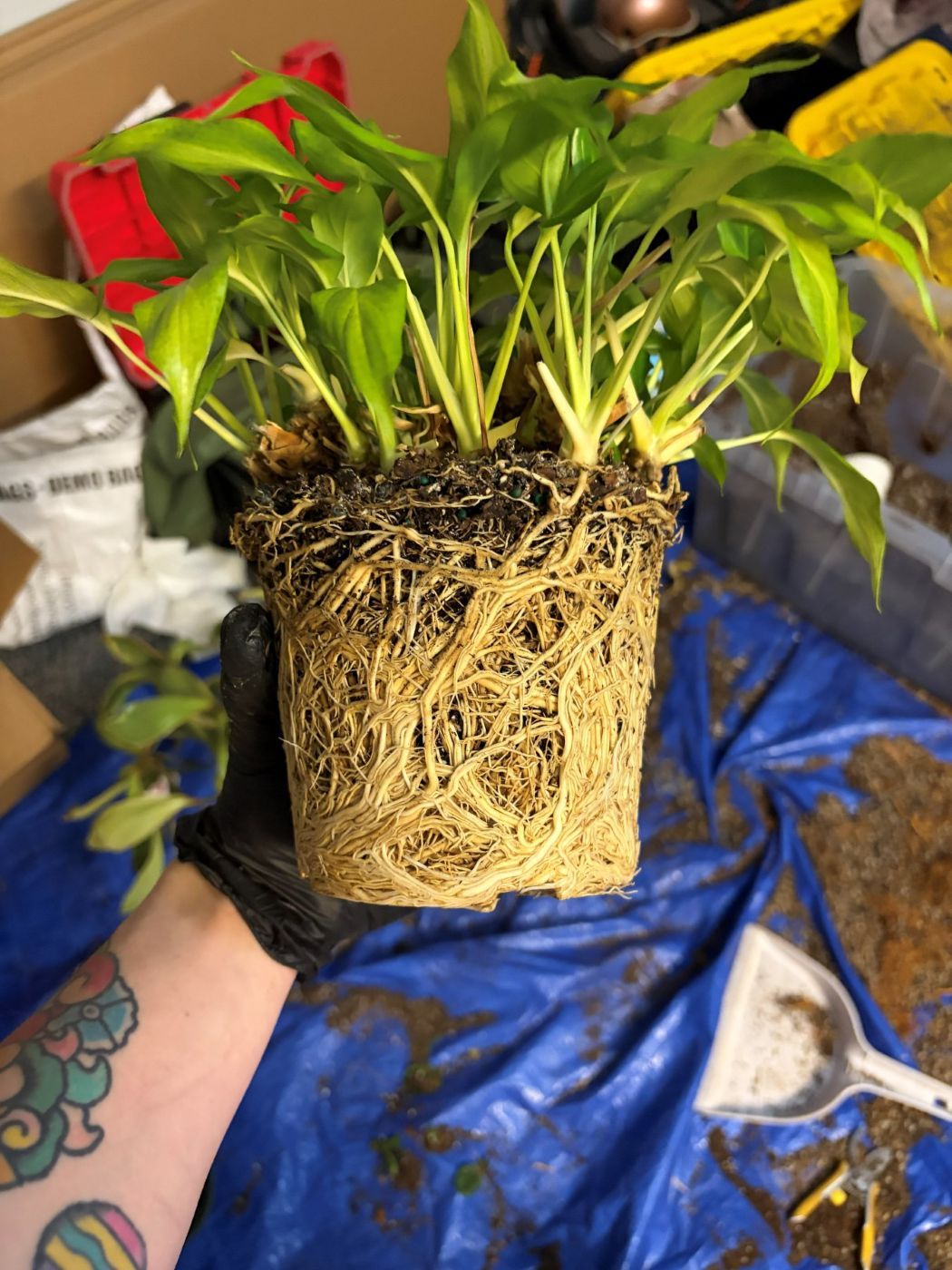
Hard water and feed both leave salts behind every time you water. They collect, burn roots, and brown the leaf tips. Almost everyone reads that as thirst and waters more.
All three look like ordinary watering mistakes from the outside. Measuring is what tells them apart, and it is why we adjust your feeding as well as your watering.
04 · In writing
You should not have to remember what we said in your hallway. After every visit you get a short guide covering your plants one at a time: what we did, the watering number to check, whether the spot is working, and what to watch for.
It also says what is normal next. A newly repotted or moved plant often looks worse before it looks better. Knowing that in advance is the difference between waiting it out and throwing it out.
05 · Scheduling
"Sometime Tuesday afternoon" is not something you can plan around. Regular clients get one day and one time, and it does not drift.
Each weekday covers a different part of the metro, so we are not crossing Denver twice in an afternoon. When you book we will tell you which day your address falls on. It keeps visits punctual.
Monday to Friday. The moment we discuss a time it goes in the calendar, before you have even confirmed, so the slot is still there when you reply. If something has to move, you hear it from us first.
06 · Ongoing care
Watering is the smallest part of a visit. Most of it is looking for the problem that is three weeks away.
07 · Choosing plants
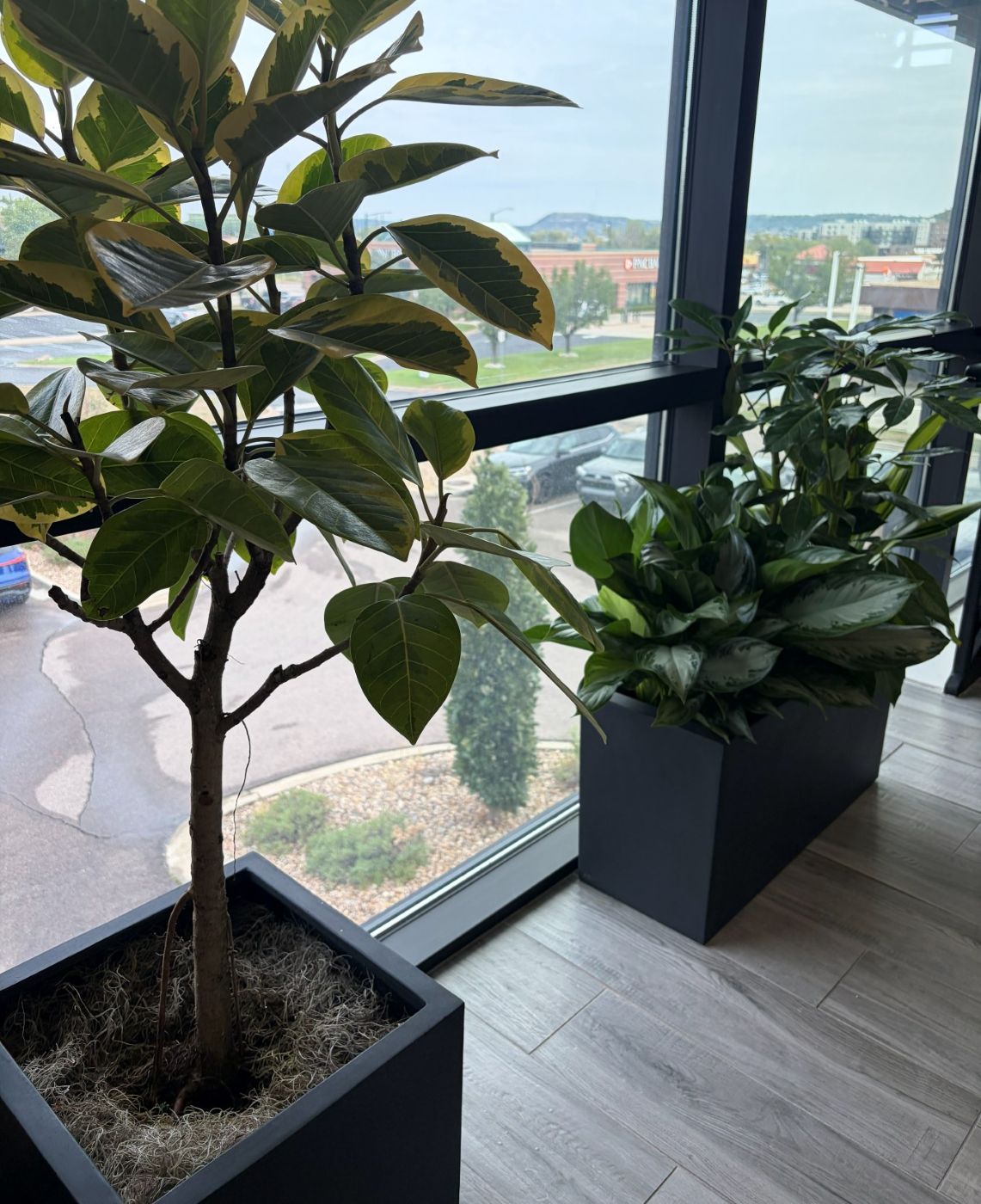
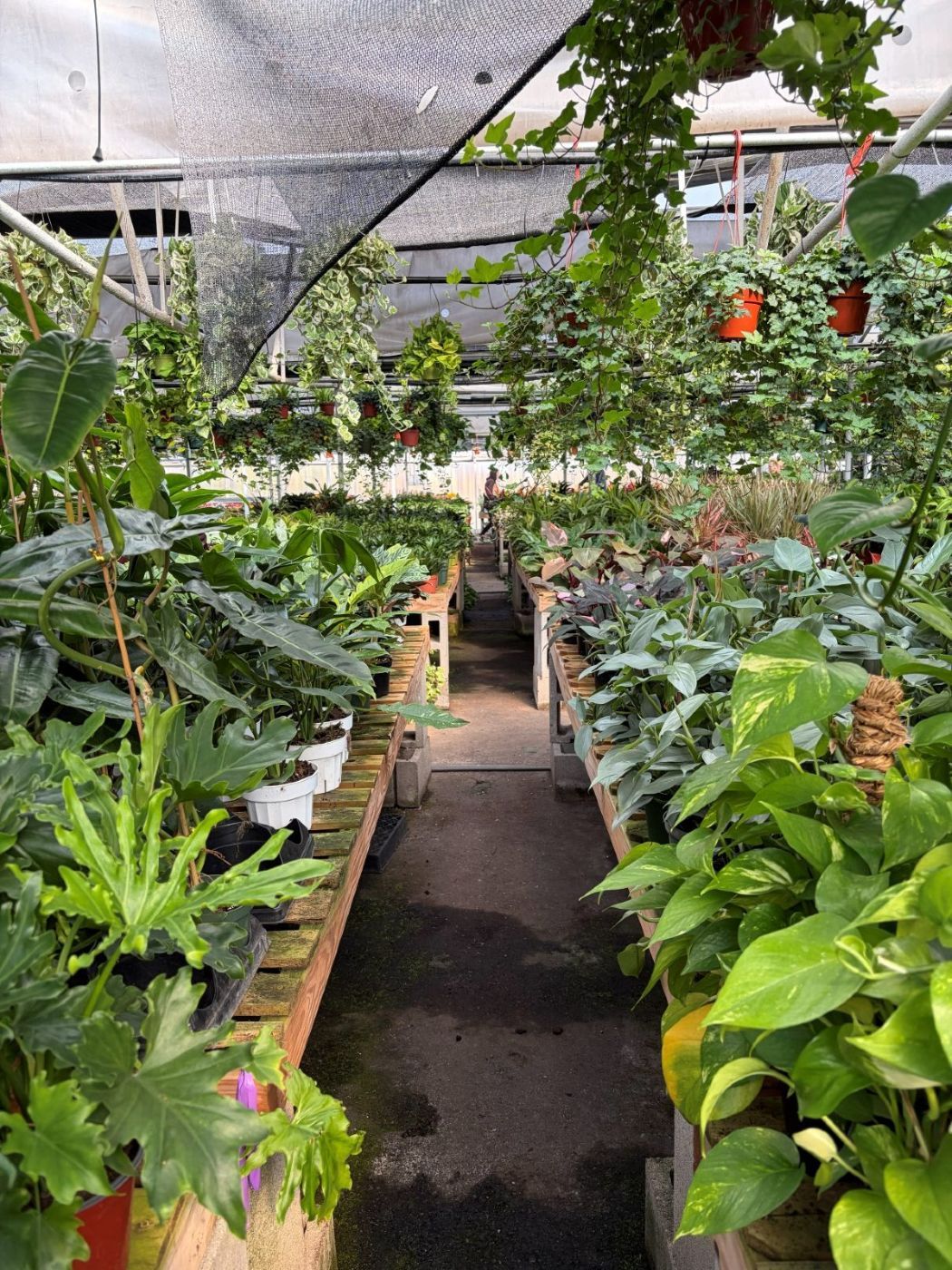
Years of running a plant department teaches you to spot a healthy specimen before the problems show. We choose each plant in person and turn down the ones that are not up to standard. You get the plant we would put in our own house.
Pots matter as much as plants: the right size for the roots, proper drainage, and suited to the room. We keep the pots in a room matched to each other, because three unmatched pots in one view is what makes a space look unplanned.
08 · Quotes
On anything involving pots or an install, we ask what you want to spend before designing. It is an awkward question, and it saves designing a proposal you were never going to buy.
Every quote lists lines you can read, like "Monstera: repot from 10 inch to 12 inch, moss pole added". Strike a line and we will requote it.
If you accept, the quote becomes the invoice. The number you approved is the number you are billed. Nothing gets added afterwards.
Common questions
Call or text and ask. Phone and video calls are free, and we would rather talk you out of the wrong plant than sell you one.