
Plant care guide
When to repot a houseplant, and what usually goes wrong
Repotting is the most common thing people do too late, and then do badly. The signs it is time, the one-size rule, and why the plant sulks afterward.
By Kyle Lutze, Certified Colorado Gardener · 21 September 2026 · 5 minute read
The signs it is time
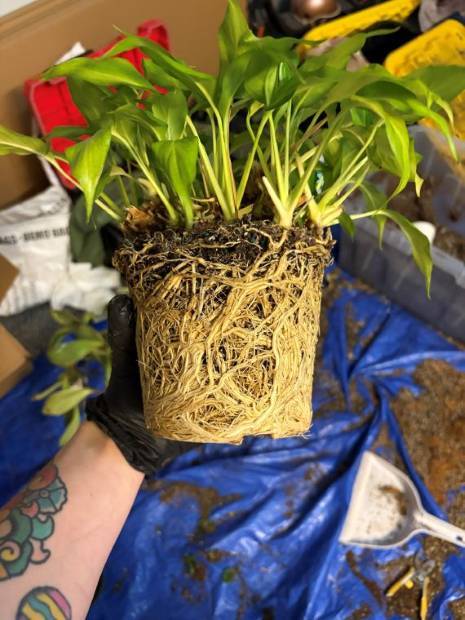
- Roots circling the bottom or pushing out of the drainage holes
- Water running straight through, seconds after you pour it
- The plant drying out far faster than it used to
- Growth stalled through a whole spring despite good light
- A white crust of mineral salts on the soil surface or pot rim, which Denver's hard water builds faster than most places
Go up one size, not three
The most common mistake is jumping a plant from an 8 inch pot straight into a 14 inch one to save doing it again. All that extra soil holds water the roots cannot reach, stays wet for weeks, and rots the plant from the middle out. One size up is the rule: 6 to 8, 8 to 10, 10 to 12.
Use a chunkier mix than the bag
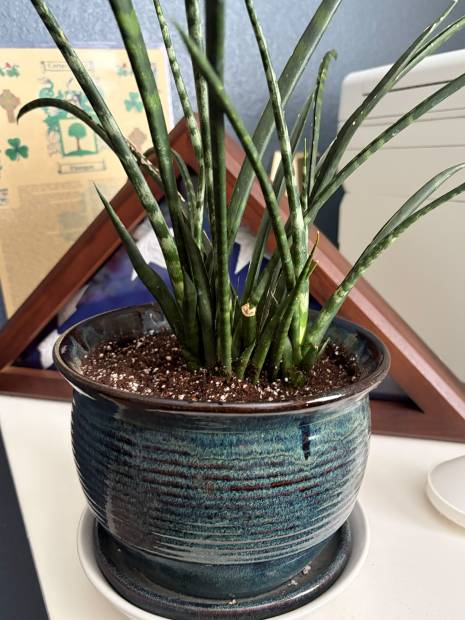
Bagged potting soil is mostly peat, and peat holds water for weeks in a cool Colorado room with the furnace running. Mix in bark and perlite, about a third by volume for most tropicals and half for anything that likes to dry out. The pot needs a drainage hole. A decorative pot without one becomes a bucket.
Spring is the window
Repot going into the growing season, when the plant has the energy to push new roots into the fresh soil. Repotting a struggling plant in December usually adds a second stress on top of the first one. The exception is root rot, where you deal with it the day you find it.
Expect it to sulk
A newly repotted plant often looks worse before it looks better: some leaf drop, some droop, a pause in growth. That is normal for a few weeks. Resist the urge to fix it by watering more, which is how a survivable repot becomes root rot.
When to have it done
A plant too big to lift, a trunk soft at the soil line, or a collection where a dozen pots are due at once is a job worth handing off. We bring the mix, the pots if you want them, and clean up after. Repotting is priced by pot size on the repotting service page, and most of it is done during a scheduled maintenance visit at no extra trip charge.
Related: Houseplant care in Colorado's dry climate and why are my houseplants dying?
Too many pots, or one too big?
Send a photo of the plant and the pot it is in. The phone consultation is free, and we can usually tell you whether it needs repotting from the photo.